- No products in the cart.




UNDERSTANDING CORNER DESKS: A COMPLETE UK BUYER’S GUIDE FOR MODERN HOMES AND WORKSPACES

27
Nov
Creating the perfect workspace has become a priority for many UK households, whether for remote work, gaming, studying, or managing a busy family schedule. One furniture piece that continues to rise in popularity—thanks to its practicality, space-saving design, and versatility—is the corner desk. While once viewed simply as a compact workstation for a spare bedroom, corner desks are now central to stylish home offices, multifunctional rooms, and productivity-focused environments. This comprehensive guide explores everything a UK buyer needs to know about corner desks, from choosing the right style and size to understanding materials, ergonomics, setup tips, and long-term value.
This detailed, SEO-optimized blog post aims to give you every piece of information you need before purchasing, ensuring your desk not only fits your space but genuinely enhances your daily routine.
Why Corner Desks Are Becoming Essential in UK Homes
Corner desks have become a staple in British households largely because they balance efficient use of space with a comfortable and functional working area. As homes grow increasingly multifunctional—acting as offices, study rooms, gyms, entertainment hubs, and social spaces—people need furniture that adapts effortlessly. Corner desks are the ideal solution because they combine spacious work surfaces with a compact footprint that fits neatly into unused areas.
The UK housing landscape, with its prevalence of semi-detached houses, terraced properties, and new-build apartments, often includes rooms where space must be used strategically. A corner desk immediately solves layout challenges by optimising forgotten areas: corners that would otherwise remain empty.
Additionally, the shift towards remote and hybrid working has made ergonomics and productivity more important than ever. Buyers are realising that investing in a well-chosen desk dramatically improves comfort, focus, and workflow—ultimately making home working feel more natural and sustainable.
Understanding the Different Types of Corner Desks
Corner desks come in various shapes, configurations, and styles. Understanding the differences will help you select the most suitable option for your home layout and personal needs.
L-Shaped Corner Desks
L-shaped corner desks are the most common and arguably the most practical. They feature two connected surfaces forming a right angle, offering generous workspace. One side can be dedicated to a laptop or desktop setup, while the other can be used for writing, studying, storing documents, or accommodating accessories such as printers. These are ideal for multitasking or for those who require additional equipment.
Compact Corner Desks
Smaller corner desks are excellent for bedrooms, studio apartments, or any tight spaces. They have a triangular or rounded shape that fits directly into the corner without extending far into the room. Though compact, many still offer shelves or cubbies for organisation. This style is perfect for children’s study areas, small home offices, or minimalist setups.
Executive Corner Desks
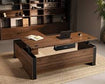
Designed for larger rooms, executive corner desks offer a sophisticated and substantial workspace. They may include built-in storage, cabinets, or extended side units. These desks are perfect for professionals who need an office-like environment or prefer a commanding workspace with multiple zones for different tasks.
Floating Corner Desks
Floating corner desks are mounted directly onto the wall, creating a modern, minimalist look. Because they lack legs, they free up floor space and make smaller rooms feel larger. They are ideal for light to medium-duty work, especially when paired with adjustable ergonomic chairs.
Corner Desks With Storage
Many corner desks incorporate shelves, drawers, or under-desk storage units. These are ideal for organising cables, hiding clutter, or storing essentials such as stationery, files, or books. This type is perfect for users who want their workspace to feel tidy and structured.
Key Factors to Consider When Choosing a Corner Desk
Before selecting a corner desk, consider the following essential elements to ensure it suits your environment.
Room Size and Layout
Measure the area where the desk will sit, paying attention to floor space, skirting boards, radiators, door swings, and window placement. Consider whether you want the longer side of an L-shaped desk on the left or right—some models allow you to assemble it either way.
Think about the room’s natural flow. Your desk should feel integrated into your space rather than obstructive.
Surface Area and Work Requirements
Evaluate how much workspace you need daily. If your setup includes dual monitors, a keyboard, graphics tablet, or additional office accessories, a larger L-shaped desk will provide better comfort and organisation. For simpler setups, a compact design will suffice.
Material and Build Quality
Corner desks come in various materials, each with pros and cons:
Wood: Warm, traditional, durable, and available in many finishes.
MDF: Affordable and smooth, ideal for painted surfaces.
Glass: Modern and stylish, best for minimalistic setups.
Metal frames: Offer stability and long-term durability.
Consider how often the desk will be used. Daily use requires strong construction.
Weight Capacity
If you plan to use heavy monitors, speakers, desktop towers, or multiple screens, ensure the desk can support the weight. Check product specifications for load limits.
Ergonomics and Comfort
Your corner desk must support healthy posture. Factors to consider:
Desk height: Standard height is 73–75 cm.
Leg room: Ensure sufficient space underneath for comfortable seating.
Monitor distance: Allow at least an arm’s length of space for screens.
Chair compatibility: Ensure your chair can slide underneath easily.
Storage Needs
If you handle paperwork, craft supplies, tech accessories, or office tools, integrated storage can be a significant advantage. Desks with drawers or shelving can keep your workspace tidy and reduce visual clutter.
Assembly and Practicality
Some corner desks require more complex assembly than traditional straight desks. Check whether assembly instructions are easy to follow and if additional tools may be required. If you move frequently, consider a desk that is easy to dismantle and reassemble.
The Benefits of Corner Desks for Productivity and Comfort
Choosing the right corner desk can genuinely transform how you work. Beyond saving space, these desks offer several performance-boosting benefits.
Better Use of Space
Corner desks make use of often wasted areas and maintain a clear central floor. This is particularly helpful in smaller UK homes where rooms must accommodate multiple purposes.
Increased Surface Area
Compared with straight desks, corner desks typically provide more workspace without occupying extra room. This supports multitasking and organisation.
Natural Ergonomic Positioning
Sitting at the centre of an L-shape creates an efficient workstation triangle. Everything is within reach, reducing strain and improving workflow.
Clutter Reduction
Corner desks with shelving or drawers streamline storage. Even minimalist designs promote cleaner spaces because they define a dedicated working zone.
Enhanced Focus and Privacy
A corner-based setup feels naturally enclosed, reducing distractions. This creates a more immersive environment for deep focus, gaming, or creative work.
Fits a Variety of Styles
Whether your home is modern, rustic, minimalist, or industrial, there is a corner desk design to match. This versatility makes it simple to tie your workspace into your décor.
How to Set Up a Corner Desk for Maximum Efficiency
After selecting the right desk, setting it up properly ensures comfort, efficiency, and a visually pleasing workspace.
Prioritise Lighting
Good lighting prevents eye strain and boosts productivity. Position your desk near a window if possible to benefit from natural light. Avoid placing monitors directly in front of the window to prevent glare. Use warm LED lamps or adjustable desk lights for dark hours.
Cable Management
Corner desks often host multiple devices, so tidy cable management is essential. Use clips, under-desk trays, or cable sleeves to organise wires and keep your workspace uncluttered. This also reduces the risk of accidents.
Choose the Right Chair
An ergonomic chair significantly affects long-term comfort. Look for adjustable features such as armrests, lumbar support, and seat height. Ensure the chair can move freely around the corner area.
Add Smart Storage
Make use of built-in drawers or add floating shelves above the desk. Using vertical space keeps your desk clear, helping you maintain focus and organisation.
Personalise Thoughtfully
A desk setup should feel inviting but not cluttered. Consider adding:
A plant for greenery
A small clock
Minimalist décor
Functional accessories such as monitor risers or stands
Balance aesthetics with usefulness.
Choose the Right Technology
Dual monitors work extremely well with corner desks, allowing you to position screens at comfortable angles. If you use a laptop, invest in a laptop stand to align your screen at eye level.
Maintain Healthy Posture
Ensure:
Your arms are at 90 degrees when typing
Your monitor is at or just below eye level
Your feet rest flat on the floor or a footrest
Your back remains supported
Correct posture prevents long-term strain.
Corner Desk Ideas for UK Homes
Here are some popular and effective ways UK homeowners are using corner desks in different rooms.
Home Office Setup
A dedicated workspace with an L-shaped desk helps separate work from personal life. It provides room for dual monitors, printers, notebooks, and paperwork.
Gaming Setup
Gamers love corner desks for their ability to house multiple screens, gaming PCs, and accessories. LED light strips can add atmosphere without cluttering the space.
Bedroom Study Corner
Compact corner desks fit neatly into secondary bedrooms or student spaces. Built-in shelves keep books, folders, and stationery within reach.
Creative Workstations
Artists, designers, and crafters often enjoy the expansive surface area of corner desks. They allow space for tools, materials, and work surfaces.
Small Apartment Maximisation
Floating corner desks are ideal for studio flats or small apartments where every square inch matters. Their minimal design keeps the room feeling open.
Living Room Work Nook
For those without a dedicated office, turning a quiet corner of the living room into a productivity zone is an efficient solution. A neatly styled corner desk blends into home décor while providing functionality.
The Best Materials for Sturdy and Long-Lasting Corner Desks
When investing in a new desk, quality materials improve durability and ensure you get long-term value.
Solid Wood
Warm, strong, and timeless, solid wood desks offer durability and character. They work well in traditional and modern homes.
MDF or Engineered Wood
These materials are cost-effective, lightweight, and available in many colours. They offer a sleek finish and are ideal for contemporary interiors.
Metal Frames
Sturdy metal legs provide stability and strength. They pair well with various tabletop materials for a long-lasting desk.
Glass Tops
Glass adds a modern, stylish touch. It works particularly well in minimalist rooms but requires regular cleaning.
Common Mistakes To Avoid When Buying Corner Desks
Avoiding these pitfalls ensures a smoother buying experience.
Ignoring Measurements
Many buyers forget to measure skirting boards, radiators, or window sills. These can alter how well the desk fits.
Overlooking Weight Capacity
If you use heavy equipment, verify that the desk can support it. Not doing so risks structural damage.
Forgetting Cable Access
Make sure the desk design allows cables to pass easily through the back or sides.
Choosing Style Over Function
A beautiful desk is appealing, but functionality should always come first—especially for daily use.
Underestimating Assembly
Some corner desks require detailed assembly. Be prepared with tools and adequate time.
Long-Term Care Tips for Corner Desks
To ensure your desk stays in excellent condition, follow these maintenance tips:
Use coasters to prevent moisture damage
Wipe surfaces regularly with a non-abrasive cleaner
Avoid direct sunlight to prevent discolouration
Tighten screws occasionally to maintain stability
Use desk mats or pads for writing or keyboard use
Why Corner Desks Offer Great Value for UK Buyers
Corner desks are one of the best investments for a UK home because they offer a balance between practicality and design. They maximise space, enhance comfort, and transform unused corners into productive hubs. Whether you're in a London flat, a Manchester townhouse, or a rural cottage, there’s a corner desk style perfect for your layout.
The versatility, ergonomic advantages, and cost-effectiveness make them indispensable for modern living. Plus, the range of designs available means you can find something that suits your personal taste and needs.
Conclusion: Are Corner Desks Worth It?
Corner desks have evolved far beyond being simple space-savers. They are now essential furniture pieces that support productivity, comfort, and modern living. From flexible home offices to stylish creative workstations and compact bedroom study corners, they adapt to every UK home.
If you’re looking to level up your workspace, create structure in your daily routine, and make your environment more efficient, corner desks are an ideal choice. By selecting the right material, size, shape, and features, you can enjoy a workspace that not only fits perfectly—but genuinely makes your life easier and more organised.
If you need guidance choosing the perfect corner desk, the information in this guide will help you make a confident and informed decision, ensuring your workspace becomes a place you truly enjoy spending time in.